
Grow the people running your AI agents.
Adopting AI is a question about people before it is a question about tools. This is a registered apprenticeship. Somebody learns to build and run AI solutions on your real client work, with a mentor beside them. They move on when they can show they can do the job, not when the calendar says so.
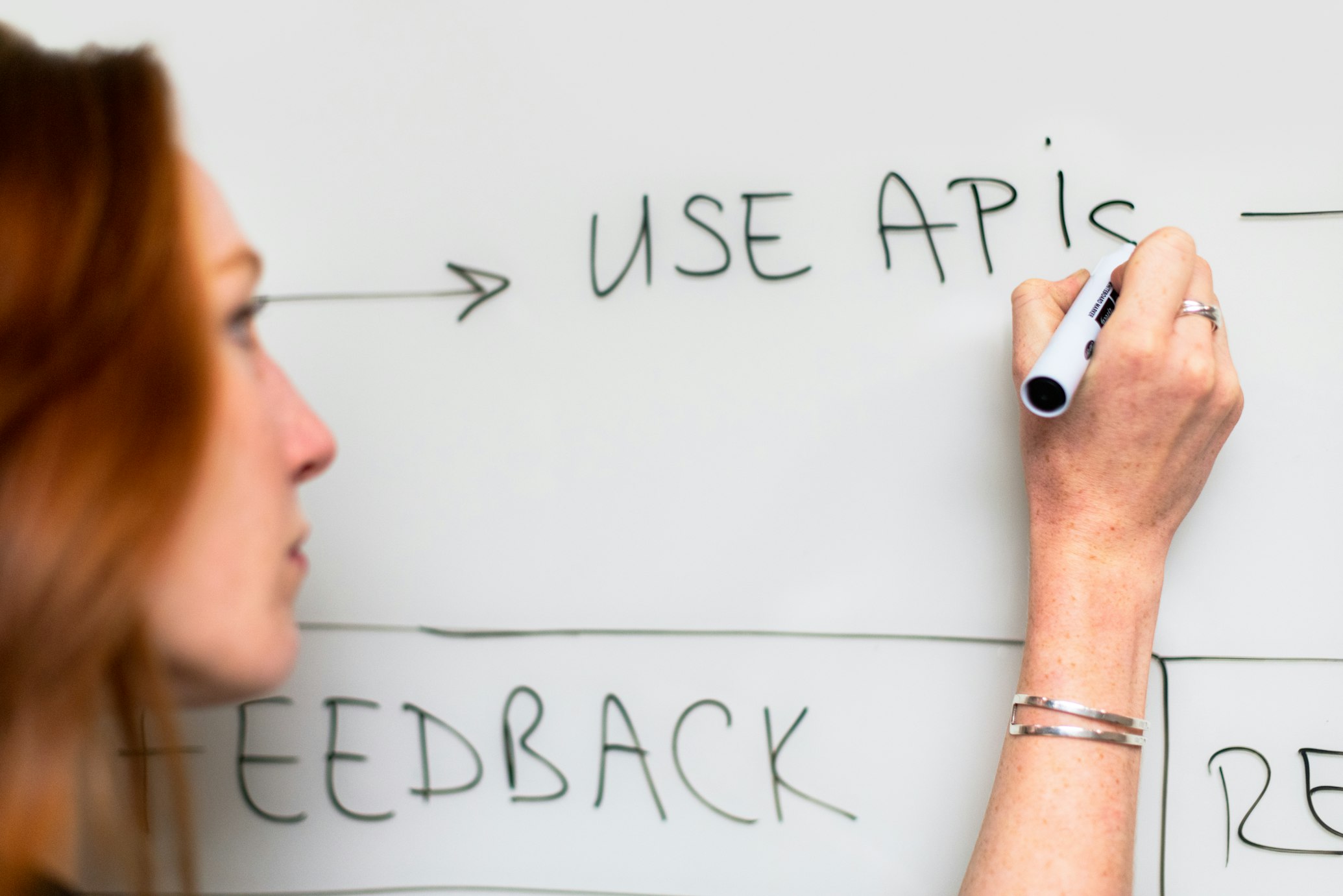
Earn while you learn
They train on the software they run
An apprentice learns on ALOS itself, on real client work, from the first week. The same governed agents, approvals and record they will be trusted with later are what they are graded against now. They are paid the whole time.
- Paid client work from week one, beside a mentor
- Graded on the platform they will use, not on a simulation of it
- They move on by showing what they can do, not by serving out the months

AI Solutions Specialist
U.S. Department of Labor registered · Competency-based
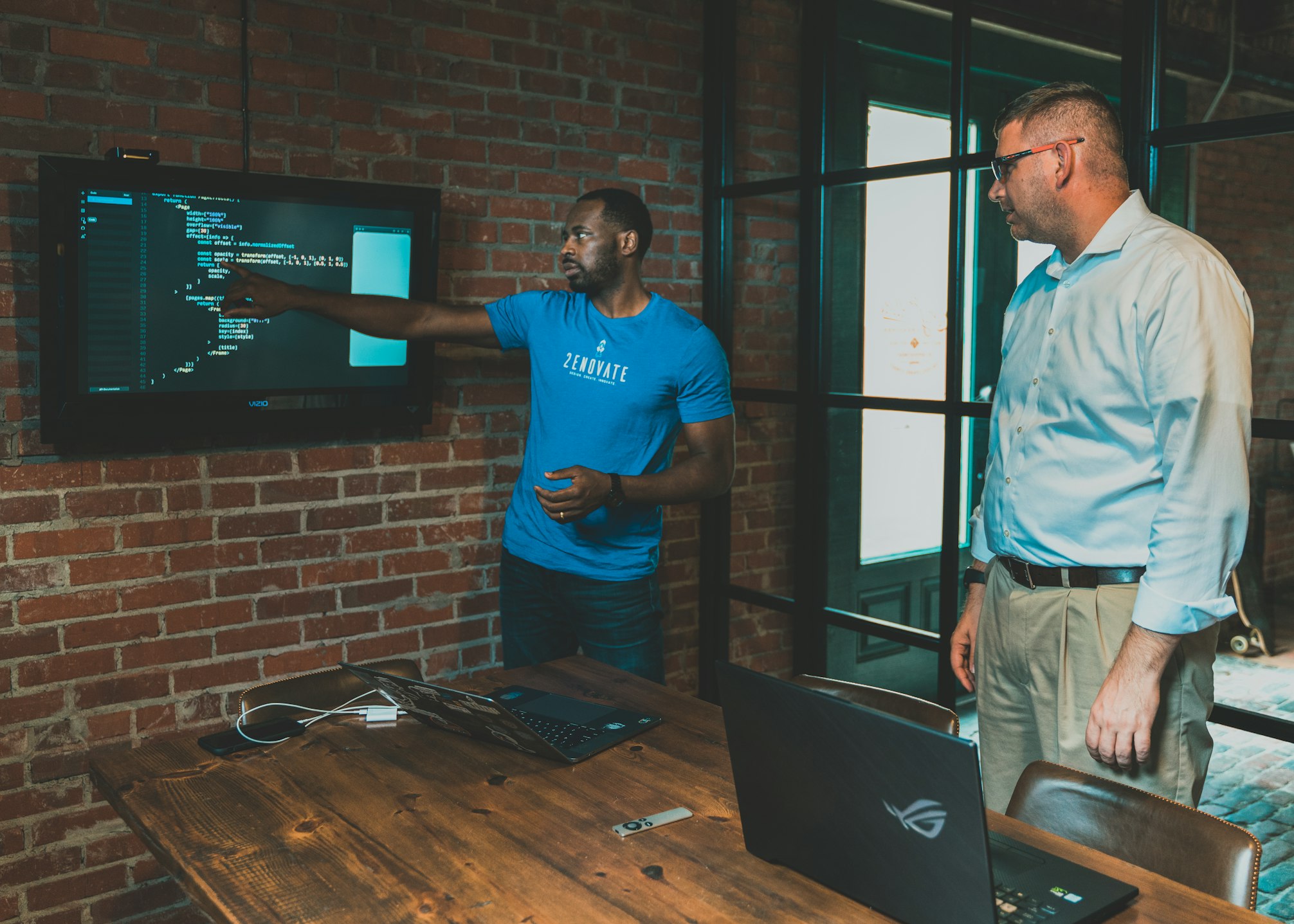


The work juniors learned on is going
The tasks a new hire cut their teeth on are the first ones being automated. That is fine for this quarter and a problem for the next decade, because nobody becomes senior without doing junior work first. If the bottom rung is gone, the ladder is gone. An apprenticeship puts the rung back somewhere else. The apprentice is not competing with an AI agent to write the first draft. They are learning to direct one, check it, and answer for what it did. That is the job now, and almost nobody is being formally trained to do it.

If you are the apprentice
You are paid to do real work from the first week, on real client projects. A mentor sits beside you, rather than a course you watch alone.
- You advance by demonstrating a skill and having it signed off, not by sitting out a set number of months.
- Your wage steps up as your competencies are signed off.
- You finish with a nationally registered credential in an occupation that did not exist five years ago, which belongs to you and travels with you.
- The work you did is on the record with your name on it: a portfolio you did not have to assemble afterward.

If you are the employer
You get people who can run AI agents safely, trained on your own work rather than on somebody's generic curriculum. In the register's terms you are the employer: you give the on-the-job learning under a mentor, and you pay the wage that steps up as competencies are signed off.
- They learn on the same platform your team already uses, so nothing has to be re-learned on the job.
- Their on-the-job hours, their related instruction and their mentor's sign-offs land on the same record as the work, so the reporting the registration asks for is a byproduct rather than an administrative job.
- You are training the person who will be accountable for your AI, not just hiring someone who can prompt.

Join the program
Apply, or host an apprentice
Two people use this form: somebody who wants to train as an AI Solutions Specialist, and an employer who wants an apprentice on their own work. Say which you are and we will write back.
Tell us which you are
Applying yourself, or hosting somebody. The rest of the conversation is different for each, so this is the only question we need up front.
We write back
An apprentice hears what the occupation covers, what the mentor does, and when the next cohort starts. An employer hears what hosting asks of them.
Nobody signs anything yet
The apprenticeship agreement comes later, under whichever arrangement fits: TEKIMAX as the sponsor, or as the provider of related instruction for a programme you sponsor. Either way you provide the work and the mentor.
Or write to us directly: [email protected]
Also in Studio
- StudioAgent runsGive an AI agent a job, then read back every step of it.Read the page
- StudioAgent securityA name, a limit, and somebody who can stop it.Read the page
- StudioAgent identityA person lets an AI agent in, and can stop it again.Read the page
- StudioWhat an AI agent may doIt never reaches further than its owner.Read the page
- StudioAgent sign-insA sign-in expires sooner the more it can do.Read the page
- StudioApproved modelsWhich models may run, who approved each one, and what it left behind.Read the page
- StudioScans and approved packagesApproved packages at the exact version, watched after that.Read the page
- StudioCommand lineThe terminal your engineers already use, on your rules.Read the page
- StudioMCP serverConnect any AI agent, and the rules come with it.Read the page
- StudioSDK and APIOne typed client for the whole platform, given to your team.Read the page